
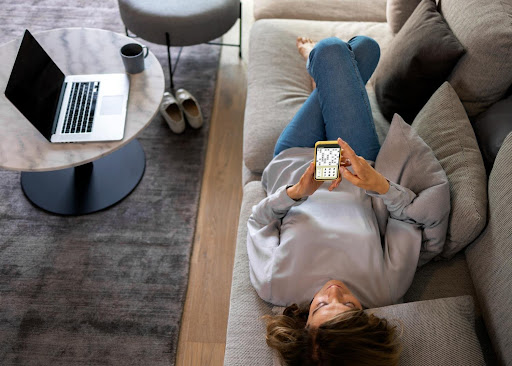
There was a time when relaxation required a clear break from routine, leaving the house, planning an evening, or setting aside uninterrupted hours. In cities like Santa Monica, where life moves between work, social commitments, and outdoor activity, that kind of structured downtime is still valued. But increasingly, it is no longer the only way people unwind.
Relaxation has become more fluid. It happens in smaller pockets of time, often shaped by convenience rather than planning. At the centre of this shift is the smartphone, an always-present device that has quietly redefined how people engage with entertainment.
The Shift Toward On-Demand Relaxation
Modern lifestyles rarely allow for long, predictable stretches of free time. Instead, the day is made up of transitions, between meetings, after workouts, during commutes, or in the quiet moments at home before the next responsibility begins.
Apps have adapted to this reality. Streaming platforms, social media, and mobile gaming all offer experiences that can be started and stopped without friction. The expectation is simple: entertainment should be available immediately, without setup or commitment. Mr Q reflects how gaming has evolved to meet these expectations. Rather than requiring a dedicated session, users can access slot games, live dealer tables, and account features through a single mobile interface. Platforms such as MrQ bring together elements like real-time streaming, responsive design, and secure payment systems, allowing users to engage briefly or for longer periods depending on their schedule.
What matters is not just what is offered, but how easily it fits into everyday life.
From Passive to Interactive Entertainment
Mobile-first living has shifted entertainment from passive to interactive. Instead of just watching or listening, users now engage, making choices, reacting in real time, and interacting with systems. Live formats enhance this further, adding immediacy and a sense of presence that brings digital experiences closer to real-world interaction.
Convenience is now expected, not optional. Apps are designed to load quickly, navigate easily, and work seamlessly across environments. In fast-paced settings like Santa Monica, this flexibility matters, entertainment adapts to the moment, wherever users happen to be.
The Role of Habit in Digital Relaxation
As mobile apps become more integrated into daily routines, they also shape habits. Checking a platform during a break, returning to a game in the evening, or spending a few minutes browsing content can become part of a regular pattern.
These habits are not necessarily negative. In many cases, they provide structure, small, predictable moments of downtime that help balance a busy schedule. The key lies in awareness: understanding how these habits form and how they influence time and attention.
Research from Pew Research Center highlights how smartphones have become central to everyday behaviour, influencing not just communication but how people relax and engage with content. As this integration deepens, the distinction between “online” and “offline” leisure continues to blur.
Balancing Flexibility With Intention
Mobile entertainment is flexible, but it works best when used intentionally. With constant access, it’s easy to engage out of habit rather than choice. A simple approach, setting limits or being mindful of usage, helps keep it balanced. This makes digital entertainment enjoyable without becoming overwhelming.
A New Definition of Relaxation
Relaxation is no longer tied to long, uninterrupted downtime. Instead, it’s found in smaller moments throughout the day.
Mobile apps support this shift by offering flexible, on-demand engagement, whether that’s a few minutes or a longer session. This reflects a broader move toward personalised routines, where people shape their own way of unwinding.
As technology evolves, access will only increase. The real challenge becomes using these tools intentionally, so relaxation supports balance rather than disrupts it.
Ultimately, how we unwind has changed. It’s no longer confined to specific times or places, but integrated into everyday life, built around small moments that help us reset and recharge.


