The spending plan would deposit a total of $23 billion into state reserves, including $14.4 billion in the Rainy Day Fund, as the administration warns of future budget volatility
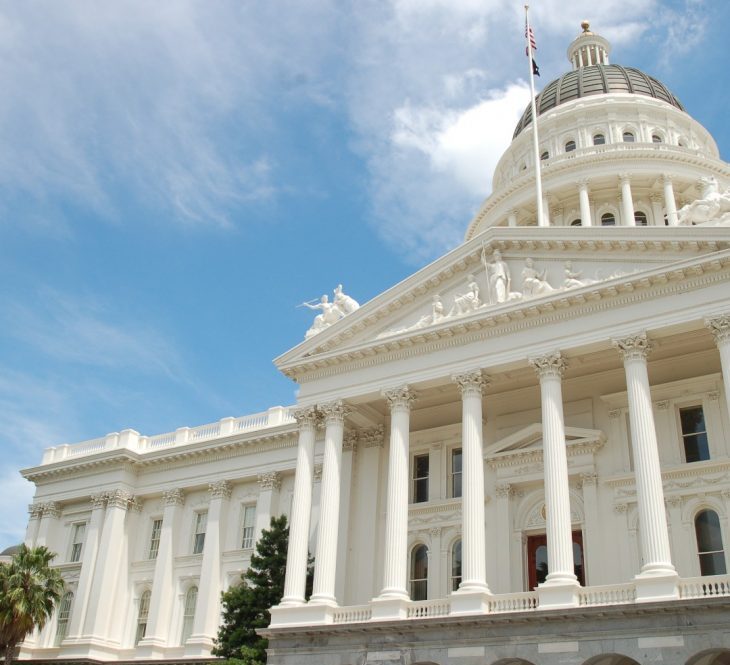
Gov. Gavin Newsom proposed a $348.9 billion state budget for the 2026–27 fiscal year, calling for billions of dollars added to California’s reserves while limiting new ongoing spending despite stronger-than-expected revenues.
The spending plan would deposit a total of $23 billion into state reserves, including $14.4 billion in the Rainy Day Fund, as the administration warns of future budget volatility tied to federal policy changes, global economic uncertainty and California’s reliance on capital gains tax revenue.
State finance officials estimate the proposal reflects more than $42 billion in additional General Fund revenue over a three-year period compared with last year’s budget. The plan closes a projected $2.9 billion shortfall and does not yet account for nearly $3 billion in December revenue that exceeded forecasts.
“This budget reflects confidence in California’s economy, but also caution about what lies ahead,” Newsom said in a statement submitted with the proposal.
The budget now heads to the Legislature, where lawmakers are expected to scrutinize spending priorities and assumptions ahead of a June deadline to pass a final plan.
Emphasis on reserves and cost controls
In addition to reserve deposits, the proposal includes plans to pay down $11.8 billion in long-term pension obligations over four years, including $3 billion in the upcoming fiscal year.
The administration also proposes $1.55 billion in reductions to state operations spending and continued savings from eliminating roughly 6,000 long-vacant state positions, which officials estimate would save $1.2 billion over two years.
Newsom’s budget includes several accountability and restructuring measures, including a proposal to move the California Department of Education under the executive branch and consolidate housing and homelessness programs under a single agency created through last year’s government reorganization plan. Some of those proposals are likely to face resistance from lawmakers and education advocates.
Education remains largest priority
Education remains the single largest area of spending. The proposal includes record per-pupil funding of $27,418 for K–12 schools, according to the administration, and continues funding for universal transitional kindergarten, free school meals, before- and after-school programs, and summer learning.
The plan also calls for a $1 billion expansion of community schools, additional literacy funding for elementary students, and new investments aimed at expanding dual enrollment and career pathways for high school students.
Higher education funding would total $5.3 billion for the University of California, $5.6 billion for the California State University system and $15.4 billion for community colleges.
The budget also includes funding to assist Los Angeles County school districts still recovering from the January 2025 wildfires.
Housing, public safety and health care
The proposal allocates additional funding for affordable housing through cap-and-trade auction proceeds and continues $500 million in annual homelessness prevention funding, contingent on new accountability requirements for local governments.
Newsom also proposes new grants for reproductive health care providers and $194.6 million in additional public safety spending, bringing the state’s total public safety investments since 2021 to $2.1 billion. The administration cited statewide crime data showing declines in homicides, robberies and aggravated assaults, though those figures have not yet been independently reviewed by lawmakers.
Climate and wildfire spending
The budget includes funding for zero-emission vehicle incentives, drinking water infrastructure for disadvantaged communities and expanded wildfire and forest resilience programs, including aerial firefighting capacity for Cal Fire.