
How we shop has evolved over the past few decades. The Internet, rising commercial space costs, and a few crises here and there have shaped consumer shopping habits.
More and more retailers are becoming aware of changing customer behaviors and industry trends and are seeking support from e-commerce professionals, such as the experts at DesignRush. Understanding these trends helps traditional retailers future-proof their businesses and remain well-known names for generations to come.
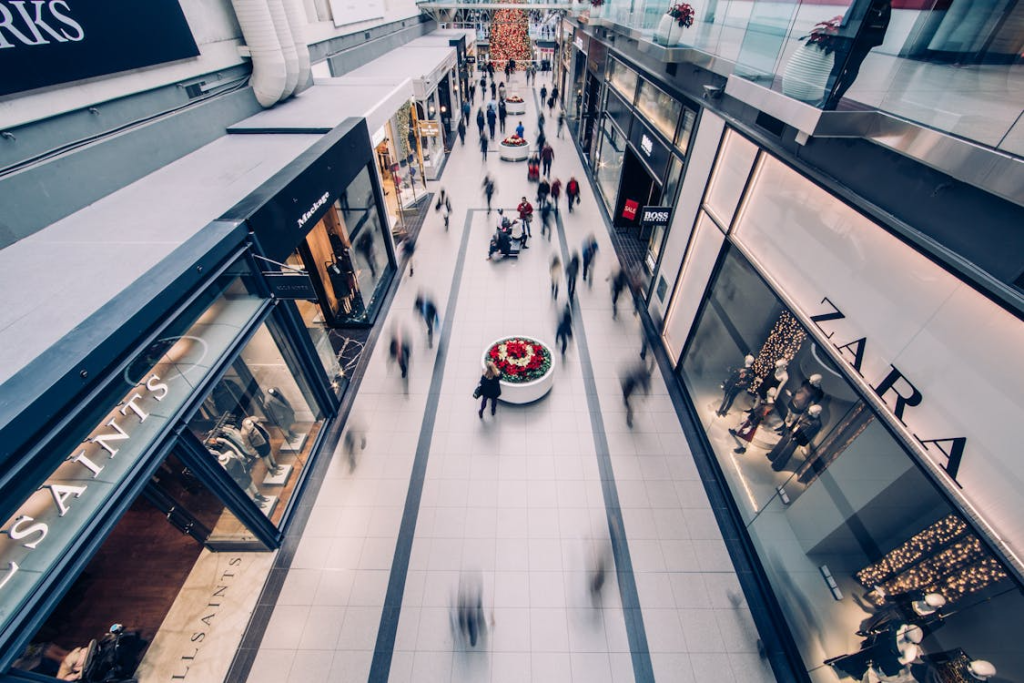
Resource: Pexels
The Changing Face of Downtown Retail
Recessions and pandemics have hit traditional downtown retail hard. With store closure after store closure, the retail world has had to adapt to the new rules of shopping. Let’s explore the evolution or decline (for some) of downtown retail.
A Brief History of Downtown Retail
In the early years of civilization, there was always a downtown market area reserved for the trading of goods. It remained that way well into the 20th Century, with city folk heading downtown to pick up a new suit or post a letter. However, by the 1960s, a new shopping format was created. Then, downtown districts had to compete with malls.
Malls provided parking, and with the increase in vehicles on the road, this was convenient for their customers. Downtown stores still had their place and experienced decent footfall, but soon the rise of the Internet would pose a greater obstacle to trade.
How Has E-Commerce Affected Downtown Retail?
E-commerce really took off in the 1990s, during the dot-com boom. However, a recession in the 2000s somewhat stunted its growth. Then came the pandemic, which in one move both crippled downtown retail and boosted e-commerce.
During the global pandemic, many people relied on online stores to get hold of essentials and treat themselves to retail therapy. Social distancing made physically going to a store much more difficult. These tough but necessary measures forced many stores to permanently shut their doors.
Emerging Trends in Downtown Retail
On a positive note, there is still hope for downtown retail. Nowadays, digital innovation is blended with downtown retailing to produce omnichannel retailing. The danger of exclusively online stores is that they can appear faceless and may be distrusted by customers.
Omnichannel retailing provides a space for all, with physical spaces, social media shops, and online stores. This new combination doesn’t exclude. Instead, it creates a cohesive shopping experience.
Another emerging trend in traditional retail is sustainability and staying local. These themes drive customer buying behavior as we become more mindful about purchasing and minimize our carbon footprint.
The Rise of Digital Touchpoints
As everyone started creating social media accounts and living chronically online, e-commerce retailers thought they could make use of this captive audience. And so, the age of digital touchpoints dawned.
What Are Digital Touchpoints?
But what exactly are they? Digital touchpoints are the online spaces where customers interact with the business. These include: websites, digital ads, social media, mobile apps, emails, blogs, to name a few. Each time a person clicks a sponsored Instagram post or opens a marketing email, they are engaging with a digital touchpoint.
Resource: YouTube
Why Do Digital Touchpoints Matter?
By utilizing digital touchpoints, retailers can further engage with customers and build relationships. With all these points of connection, it becomes far easier to make a sale, promote a product, and deliver better customer service. This all builds customer loyalty without an in-person retail experience.
What Are Retail’s Digital Trends?
Currently, social media is proving to be a trending sales tactic. Not only can paid influencers demonstrate how a product works and give reviews, but there are also shops on apps such as TikTok. This makes it simple to see a product in action and make a purchase.
Very few purchases are made on a home computer, with most online customers buying via their smartphone. Mobile-first e-commerce is therefore essential to target this audience of consumers. This can be achieved through creating fully optimized mobile apps and accepting mobile payments.
Challenges Facing Retailers Today
A major challenge faced by retailers today is where to invest. Do they blow the budget on in-store experience, or completely switch to an online store?
It’s a delicate balance that involves understanding your customer and weighing up whether rising operational costs are worth it. If the majority of your customers visit the store, taking that option away would be detrimental. However, if they mostly shop online, it may not make financial sense to keep a physical store location. It’s up to you to do the research.
Adopting AI is another potential challenge to contemplate. While AI chatbots can be infuriating to a customer simply wanting to communicate with a human, AI can be used to streamline retail operations. From inventory management to personalizing the customer’s experience with targeted marketing emails, adopting AI in this way is a move toward the future of retailing.