There’s no gentle way to introduce this topic. Switzerland costs roughly double what you’d pay for similar hiking in Austria, France, or Italy.
A dorm bed that costs 15 euros across the border runs 35-50 Swiss francs in Switzerland. That coffee and croissant breakfast? 8-12 francs instead of 4 euros.
Budget hiking in Switzerland requires different strategies than budget hiking elsewhere. You can’t just apply standard Alpine budget tactics and expect them to work.
Mountain Huts Will Destroy Your Budget
Swiss mountain huts charge 40-70 francs for a dorm bed, depending on location and season. Popular huts near famous peaks cost more. Include the half-board option—dinner and breakfast—and you’re looking at 80-110 francs per night.
The SAC Membership Loophole
Join the Swiss Alpine Club (SAC) and you get discounted hut rates. Membership costs around 140 francs annually but saves 10-20 francs per night at SAC huts. If you’re planning multiple hut nights, the membership pays for itself quickly.
Valley Accommodation Options
Camping is the budget option if you’re willing to carry gear. Campgrounds charge 15-25 francs per person per night. Wild camping is technically illegal in most areas but tolerated if you’re discreet, camp above treeline, arrive late, leave early, and leave no trace.
Budget hotels don’t really exist in Swiss mountain valleys. What passes for “budget” costs 80-120 francs for a basic room. Hostels in valley towns run 35-50 francs for dorms, which is still expensive by European standards.
The Airbnb Strategy
Some valley towns have Airbnb rooms or apartments cheaper than hotels. A private room might cost 60-80 francs, and apartments allow cooking, which saves substantially on food. This works for base-camping and doing day hikes rather than multi-day traverses.
Food Costs Require Creative Solutions
Restaurant meals in Swiss mountain towns start at 20-25 francs for simple dishes. A proper meal with a drink easily hits 35-50 francs. Eating out three times daily will bankrupt most budgets within a week.
Transportation Adds Up Fast
Swiss mountain transport is extensive, efficient, and expensive. A cable car to a trailhead can cost 30-60 francs roundtrip. Trains between valleys run 20-40 francs for short distances. These costs compound quickly if your hiking plan involves multiple transport segments.
The Half-Fare Card Option
The Half-Fare Card costs 120 francs annually and provides 50% off most trains, buses, and cable cars. If you’re planning significant Swiss transport, this pays for itself quickly. Calculate your planned transport costs before deciding.
For those who want to experience Swiss hiking without constantly calculating costs and logistics, organized Switzerland hiking tours bundle accommodation, some meals, and transport into fixed prices. This eliminates budget uncertainty and can sometimes cost less than independent travel once all expenses are tallied.
Regional Price Variations
Tourist-heavy areas like Zermatt, Grindelwald, and the Jungfrau region cost more than everywhere else. Lesser-known regions like the Bernese Oberland’s quieter valleys or eastern Switzerland charge somewhat less.
The Day Hiking Strategy
Basing yourself in one valley town and doing day hikes eliminates hut costs and allows supermarket food shopping. You lose the experience of multi-day traverses and sleeping high in the mountains, but you save substantially.
Is It Worth the Cost?
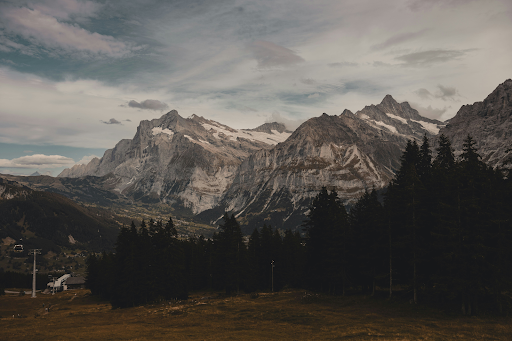
Switzerland offers unmatched trail infrastructure, stunning scenery, reliable weather information, excellent rescue services, and mountain transport that opens terrain impossible to access elsewhere. You’re paying for a highly developed mountain tourism system.
Whether that’s worth double the cost of Austria or France depends on your priorities and budget. The hiking itself isn’t necessarily better, but the infrastructure supporting it definitely is. Some people gladly pay the premium. Others prefer spending less elsewhere and hiking more often.