
Artificial intelligence has become part of everyday academic life. From organizing schedules to helping with research and writing, AI assistants are now widely used on college campuses across the United States. At the same time, human assistants – such as academic tutors, administrative helpers, and personal assistants – continue to play a critical role in education and productivity.
This raises an important question: AI assistants vs. human assistants – which one is better? The answer depends on what kind of support is needed, how complex the task is, and how much personalization is required. This article breaks down the strengths and limitations of both options to help you decide which solution fits your academic and personal goals.
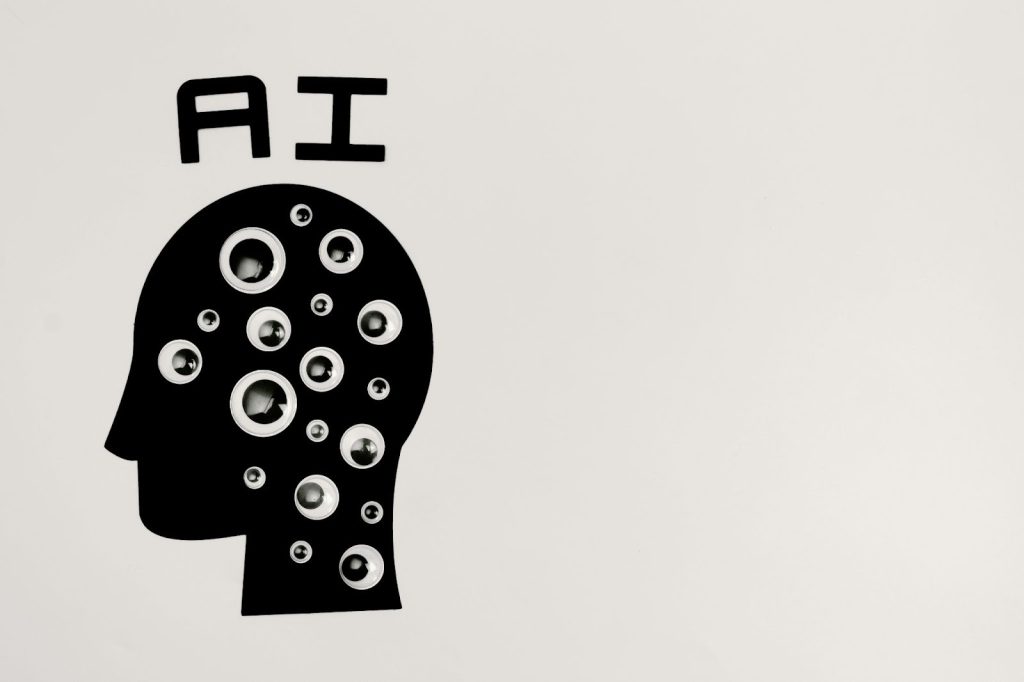
What Are AI Assistants?
AI assistants are software-based tools powered by machine learning and natural language processing. Popular examples include virtual chatbots, writing assistants, scheduling apps, and research tools. These systems are designed to automate tasks, answer questions quickly, and provide instant support.
Key Advantages of AI Assistants
1. 24/7 Availability
AI assistants are always accessible. Whether it’s midnight before a deadline or early morning before class, AI tools can help brainstorm ideas, summarize articles, or organize to-do lists instantly.
2. Speed and Efficiency
AI can process large amounts of information in seconds. This is especially useful for quick research, note-taking, grammar checks, or outlining essays.
3. Cost-Effective Support
Many AI assistants are free or available at low cost, making them appealing for those on a tight college budget. Subscription plans are often cheaper than hiring a human assistant or private tutor.
4. Consistency
AI tools deliver standardized results without fatigue or emotional bias. Every request is handled with the same level of efficiency.
Despite these benefits, AI assistants are not perfect.
Limitations of AI Assistants
Despite their growing popularity in academic environments, AI assistants have clear limitations that should not be ignored. One of the biggest challenges is the lack of true understanding. AI tools rely on existing data and patterns, which means they cannot genuinely think, reason, or evaluate information the way a human can. While they may handle standard writing tasks reasonably well, they often struggle with unique or highly specialized assignments that require original thought, deep subject knowledge, or creative problem-solving.
Another issue is precision. In fields that depend on exact calculations, scientific context, or rare data – such as astronomy – AI may provide incomplete or outdated information. This becomes especially noticeable when learners are working on niche topics or advanced concepts. In the middle of the learning process, some people even ask, “Should I just do my astronomy homework with help?” because AI tools fail to locate rare research, misinterpret complex formulas, or oversimplify important details. Additionally, AI assistants cannot verify the accuracy of every source they generate, which can lead to factual errors. They also lack ethical judgment and academic awareness, increasing the risk of unintentional mistakes. These limitations show why AI assistance should be used cautiously and supplemented with human expertise when accuracy, originality, and critical thinking truly matter.
What Are Human Assistants?
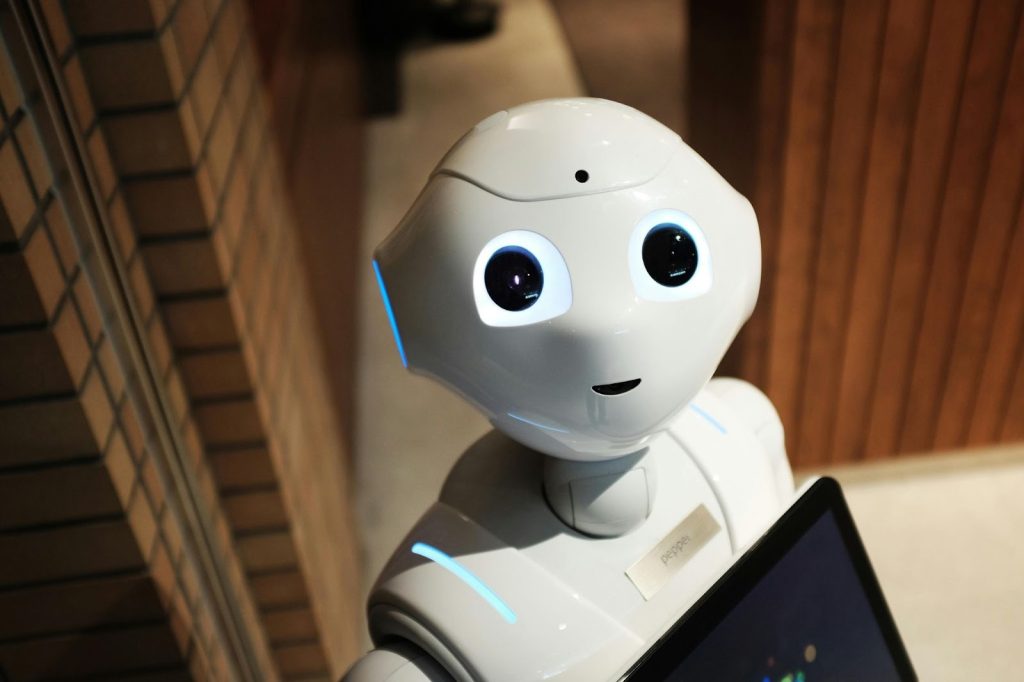
Human assistants include academic tutors, writing coaches, administrative aides, and personal assistants who provide hands-on help. These professionals bring experience, emotional intelligence, and adaptability to their work.
Key Advantages of Human Assistants
1. Personalized Support
Human assistants can adapt their guidance based on learning style, academic goals, and personal challenges. This is especially valuable for complex subjects or long-term projects.
2. Critical Thinking and Judgment
Humans can analyze ambiguous situations, understand cultural context, and offer strategic advice that goes beyond surface-level solutions.
3. Emotional Intelligence
College life can be stressful. Human assistants provide motivation, reassurance, and encouragement – something AI cannot genuinely replicate.
4. Ethical and Academic Awareness
Human helpers understand institutional policies, academic integrity rules, and expectations set by professors, which reduces the risk of mistakes.
Limitations of Human Assistants
Human assistants are often more expensive and less flexible in terms of availability. Scheduling conflicts, limited hours, and higher costs can make them less accessible for everyday tasks.
AI Assistants vs. Human Assistants: Task-by-Task Comparison
Academic Writing and Research
AI tools are excellent for brainstorming topics, organizing outlines, checking grammar, and summarizing sources. However, human assistants excel at refining arguments, improving clarity, and ensuring originality.
Time Management and Organization
AI assistants can automate calendars, send reminders, and optimize schedules quickly. Human assistants can help prioritize goals based on long-term academic and career plans.
Best option: AI for daily organization, human guidance for strategic planning.
Exam Preparation and Tutoring
AI can generate practice questions and explain concepts at a basic level. Human tutors provide tailored explanations, identify weaknesses, and adapt teaching methods.
Best option: Human assistants for deeper understanding, AI for practice and revision.
Administrative Tasks
AI assistants can manage emails, deadlines, and reminders efficiently. Human assistants are better for complex paperwork, financial aid questions, or communication with faculty.
Best option: AI for routine tasks, humans for complex processes.
Which One Is Better for College Life in the U.S.?
There is no universal winner in the debate between AI assistants and human assistants. Each serves a different purpose.
- AI assistants are better for speed, convenience, affordability, and routine academic tasks.
- Human assistants are better for personalized guidance, emotional support, critical thinking, and complex academic challenges.
For most college learners, the smartest approach is not choosing one over the other, but using both strategically.
The Future: Collaboration, Not Competition
As AI tools become more integrated into academic life, cyber safety will play a crucial role in how humans and technology work together. Protecting personal data, academic work, and online identities is essential when using AI platforms, especially those that store documents or track user behavior. Collaboration between human expertise and AI systems must include strong awareness of privacy settings, secure passwords, and responsible data sharing. Educational institutions in the U.S. are increasingly focusing on digital literacy to ensure that learners understand how to use AI safely without exposing sensitive information. By combining human judgment with secure AI practices, the future of academic support can be both innovative and safe.
Final Verdict
So, AI assistants vs. human assistants – which one is better?
The answer depends on your needs. If you want fast, affordable, and always-available help, AI assistants are a strong choice. If you need personalized feedback, emotional support, or advanced academic guidance, human assistants are irreplaceable.
For college life in the U.S., the most effective solution is a hybrid approach – leveraging AI for efficiency while relying on human expertise for depth, accuracy, and meaningful learning.