
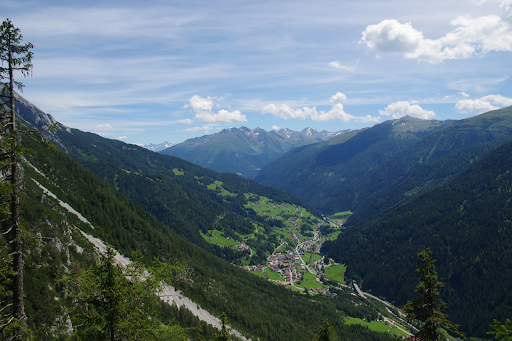
Most people picture Austria and see the same postcard image: green meadows, wooden chalets, snow-capped peaks in the background.
That’s accurate for some regions, but it misses the diversity. Austrian alpine areas differ dramatically in terrain, difficulty, crowds, and character.
Choosing the wrong region for your hiking style leads to disappointment. Pick the right one and you’ll understand why people return to Austria year after year.
Tyrol: The Famous One
Tyrol is what most tourists think of when they imagine Austrian hiking. It’s the region around Innsbruck, extending west toward Switzerland and south toward Italy. The mountains here are serious—high, glaciated, and dramatic.
Who Should Hike Here
Tyrol works for hikers who want reliable infrastructure and don’t mind sharing trails. The region excels at accessibility—cable cars reach high elevations, reducing approach times. For those who prefer organized logistics and expert guidance through these well-known peaks, hiking tours in Austria frequently focus on Tyrol because the infrastructure supports groups seamlessly.
Vorarlberg: The Overlooked West
Vorarlberg sits in Austria’s far west, bordering Switzerland and Liechtenstein. It’s smaller and less famous than Tyrol, which works in its favor. The landscape blends Swiss-style peaks with Austrian culture and pricing.
The Lake District Advantage
Salzburgerland’s lakes provide low-elevation alternatives when weather turns bad in the high mountains. You can plan ambitious alpine routes knowing you have backup options if conditions don’t cooperate.
Stubai Alps: The Glacier Playground
The Stubai range south of Innsbruck centers on the Stubai Glacier and surrounding peaks. This is high alpine terrain with permanent ice, crevasses, and serious elevation.
The Stubai High Route is one of Austria’s classic multi-day treks. It’s well-marked and hut-supported but still demands fitness, experience, and proper equipment. The year-round ski facilities mean excellent cable car access but you’ll encounter ski infrastructure even in summer.
Ötztal: The Extreme Option
The Ötztal is Austria’s longest side valley, reaching deep into the Alps toward Italy. The upper valley enters genuine high mountain terrain—glaciers, rock, and elevation that demands respect.
Routes here tend toward the technical end of Austrian hiking. Expect via ferrata sections, glacier crossings, and exposure. The landscapes are stark and beautiful in a harsh way.
The South Tyrol Connection
Upper Ötztal trails connect with Italian South Tyrol, creating cross-border route options. Italian rifugios have different character than Austrian huts, blending both traditions in interesting ways.
Carinthia: The Southern Exception
Carinthia sits in Austria’s south, with a noticeably warmer climate. The hiking season starts earlier and extends later than northern regions.
Lakes are common here, and the culture feels more relaxed. Hiking in Carinthia often combines mountains with swimming—a rare combination. The Nockberge mountains are unique—rounded, gentle peaks covered in alpine meadows that suit people who want elevation without technical challenges.
Matching Region to Experience Level
Beginners should consider Salzburgerland or the Zillertal for variety and escape routes. Intermediate hikers will find Tyrol or Stubai challenging but manageable. Advanced hikers seeking serious terrain should look at Ötztal or Hohe Tauern.
Weather and Timing
Northern regions get more precipitation and see weather fronts earlier. Southern areas stay drier and warmer. These patterns affect when you can hike and what conditions you’ll encounter.
Carinthia works better early and late season. High regions like Stubai require summer for safe access. Mid-elevation areas offer shoulder season options.
The Infrastructure Question
Decide whether you want mechanical assistance or prefer earning your elevation on foot. This choice significantly affects which Austrian regions will satisfy you.


