

FILM REVIEW
PRESSURE
Rated PG-13
100 Minutes
Released May 29th
Pressure is a story about a vital piece of the strategy in one of the most pivotal wartime battles in world history. In early June of 1944, D-Day, a seaborne invasion, pointed the path of victory away from Hitler and his Nazi forces and towards Britain, the US, and their Allies.
This story is told from an unusual point of view, that of Britain’s chief weather officer James Stagg, played here with fierce intensity by Andrew Scott. Stagg was one of the top scientists in research and theory in the then-nascent field of meteorology. It is important to know here that before WWII, meteorology and weather reports as we know them today did not exist. For the generations born before that war, there was no ubiquitous daily “weather report.” The Farmers Almanac, a folksy printed compendium of stories and predictions based on animal behavior, past patterns, and old wives’ tales, was a popular resource.
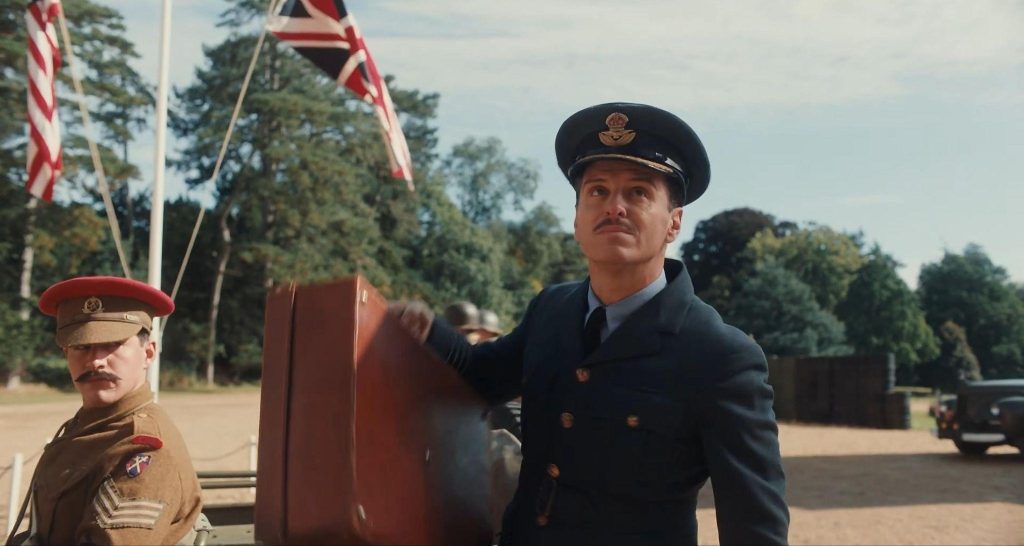
This movie will pull you into the world as it was in 1944, an environment of lives upended, unspeakable events, and true courage found not only on the battlefields but in the lives of those who were going about their days amidst the world chaos. Although the film is a strategic drama, the suspense will keep you locked in on the screen. The invasion that is being planned is top secret, and if it fails, the Nazi’s will gain the upper hand in the war. The editing is superb, including intricate montages that blend smoothly with the narrative. The dialogue is just enough, with much simply written on the faces.
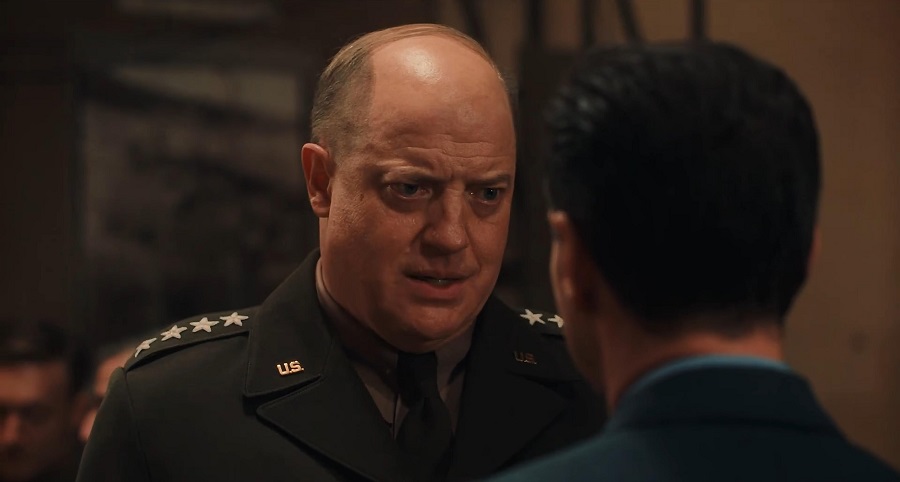
I grew up watching documentaries about WWII and its leaders. Initially it was difficult for me to imagine Brendan Fraser as General Eisenhower. However, Fraser soon suspended my disbelief. On December 7, 1943, President Franklin D Roosevelt had summoned Eisenhower, a 53-year-old general from Kansas, to a meeting. Eisenhower had grown up poor in Kansas, the 3rd of 7 sons. Roosevelt chose Eisenhower, known to be decisive, intuitive, systematic, and a good delegator, rather than one of his more experienced generals, to plan and command what would become the greatest amphibious invasion in world history.
The weather enveloping the planned invasion of the beaches of Normandy would be critical to its success. It would need to be calm for 48 hours before the start of the landings, and parachutists and air support needed less than 30% cloud cover below 8000 feet with a cloud base of no lower than 2500 feet, and visibility over 3 miles. For 3 days prior, there needed to be no more than a moderate breeze, so that landing craft would not capsize.
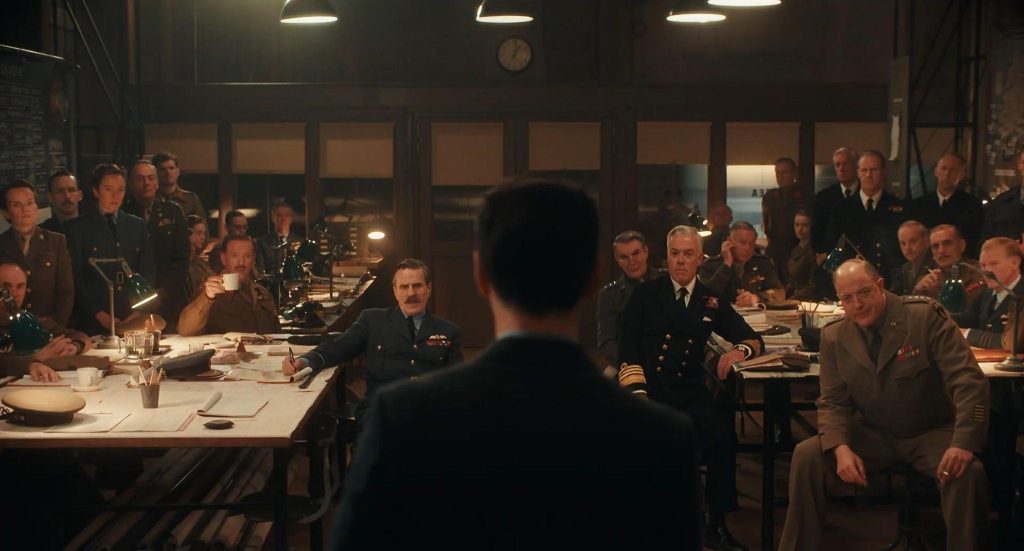
Prior to WWII, weather forecasters believed that past weather patterns repeated. Scottish meteorologist Stagg, a consummate scientist with zero interest in people pleasing, used information coming in from weather balloons in the upper atmosphere and a little-known report from a 21-year-old woman in Ireland who forecast a severe storm approaching Europe from the Atlantic.
The filmmakers brought on Bill Shieldods, currently a senior forecaster with the Royal Air Force, as a consultant, because he has hard-to-find experience plotting weather charts, the system used in 1944. He called the set “Disneyland for the Met forecaster” and said he felt like he had stepped into a Time Machine.
All the people represented in this film are real. Even Lieutenant Kay Summersby, played by the accomplished Irish actress Kerry Condon, was a wartime ambulance driver during the Blitz in London who became Eisenhower’s personal assistant and driver. Condon explains that “there’s a nurturing aspect that she brought to these men.”
Touched on briefly in the movie is Operation Tiger, a practice beach invasion which Eisenhower set up as a rehearsal for D-Day. During that practice run, many servicemen were injured. They were attacked by Nazi boats, resulting in 749 servicemen’s deaths. This incident was largely kept secret.
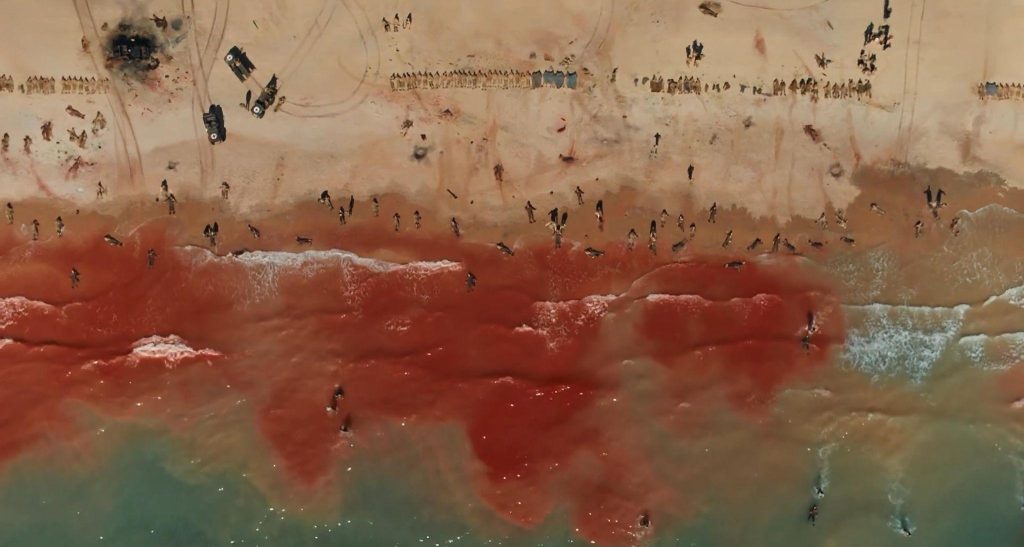
Pressure portrays emotional pressure and barometric pressure, an intersection of science and passion. The leaders knew many soldiers would die carrying the D-Day invasion through to the end. Approximately 160,000 Allied troops and 23,400 parachutists from 822 aircraft landed on the beaches of France on June 6, 1944. This movie does not hide the fact that, in spite of the resounding victory that we all remember, so many soldiers were killed in the implementation of that victory, who might have been great-grandparents, grandparents, and parents of contemporaries we will never know.
Employing the nascent science of meteorology gave the Allies better odds of success, and the balloon measurements used for the D-Day forecast are now a key part of modern forecasts. The D-Day victory was the impetus the Allies needed to initiate the campaign that led to the liberation of occupied Europe.
Eisenhower allegedly told JFK, at his inauguration, that we won the war because we had better meteorologists. Pressure emphasizes how important science is to humanity, and we should never forget that.
Kathryn Whitney Boole has spent most of her life in the entertainment industry, which has been the backdrop for remarkable adventures with extraordinary people. She is a Talent Manager with Studio Talent Group in Santa Monica. kboole@gmail.com


