
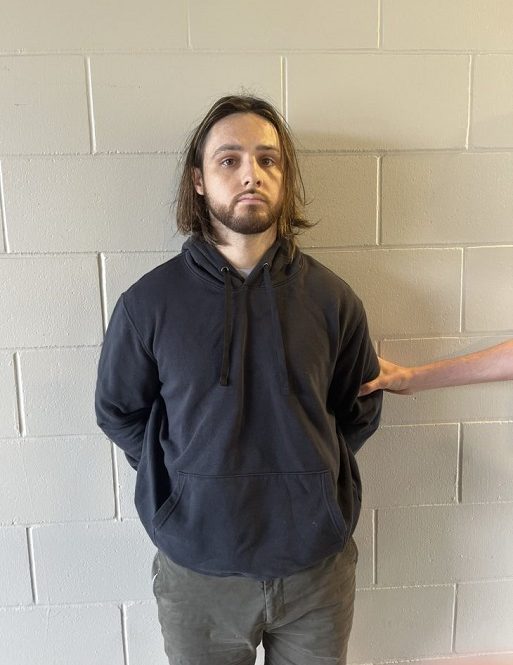
Jury selection is underway for Jonathan Rinderknecht, who faces up to 45 years in prison for a New Year’s Day blaze that later reignited.
Jury selection began Monday in the federal trial of a Florida man accused of igniting a New Year’s Day brush fire that later flared into the catastrophic Palisades Fire, one of the deadliest and most destructive wildfires in California history.
Jonathan Rinderknecht, 30, faces federal charges of arson and malicious destruction by fire in connection with the January 2025 blaze, which claimed 12 lives and destroyed thousands of homes across Pacific Palisades and Malibu. If convicted, the former rideshare driver faces a mandatory minimum of five years and a maximum of 45 years in federal prison. He has pleaded not guilty.
Federal prosecutors contend that Rinderknecht, a former Pacific Palisades resident who was despondent over a failed relationship and ruined New Year’s Eve plans, hiked up the Skull Rock trail in Topanga State Park just after midnight on Jan. 1, 2025. According to a trial memorandum, Rinderknecht recorded a video of a small clearing on Hidden Buddha Hill before using a barbecue lighter to set fire to dried brush near a home he once shared with his ex-girlfriend.
Investigators said geolocation data places Rinderknecht’s phone at the origin site as the fire expanded. Authorities later seized a Bic lighter from his vehicle, which Rinderknecht admitted to carrying on the trail.
The initial blaze, dubbed the Lachman Fire, was initially suppressed by the Los Angeles Fire Department. However, officials stated the fire continued to smolder undetected deep within subterranean root systems until Jan. 7, 2025, when a historic Santa Ana windstorm re-ignited the embers. The resulting flare-up exploded into a fast-moving wildfire that swept through coastal hillside neighborhoods.
The prosecution alleges that Rinderknecht remained at the scene to watch first responders combat the initial blaze before logging into his Uber app to accept local fares. Passengers who rode in his vehicle that night described him to investigators as an angry individual who ranted about being “pissed off at the world.”
Lead defense attorney Steven Haney has countered that the government lacks direct evidence or eyewitnesses linking Rinderknecht to the ignition point. Haney intends to argue that first responders reported hearing fireworks in the area when the fire began, and maintains that his client is being used as a scapegoat for the fire department’s failure to fully extinguish the Jan. 1 blaze.
U.S. District Judge Anne Hwang issued several key pretrial rulings shaping the evidence permitted in court. Hwang barred the defense from arguing that the fire department was negligent, ruling that a firefighter’s civil deposition testimony regarding underground smoldering would confuse the jury and remain irrelevant to the criminal charges.
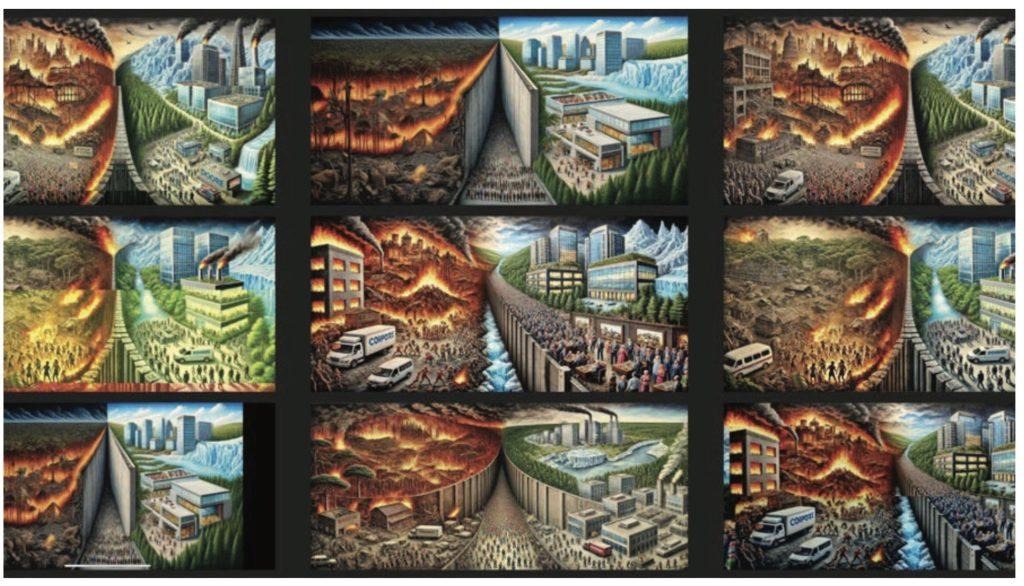
Additionally, the judge blocked prosecutors from presenting AI-generated images found on Rinderknecht’s phone, which depicted dystopian scenes of crowds fleeing flames, ruling them inadmissible for the trial.
Opening arguments are scheduled to begin Wednesday following the conclusion of jury selection. The trial is expected to last approximately two weeks.


