
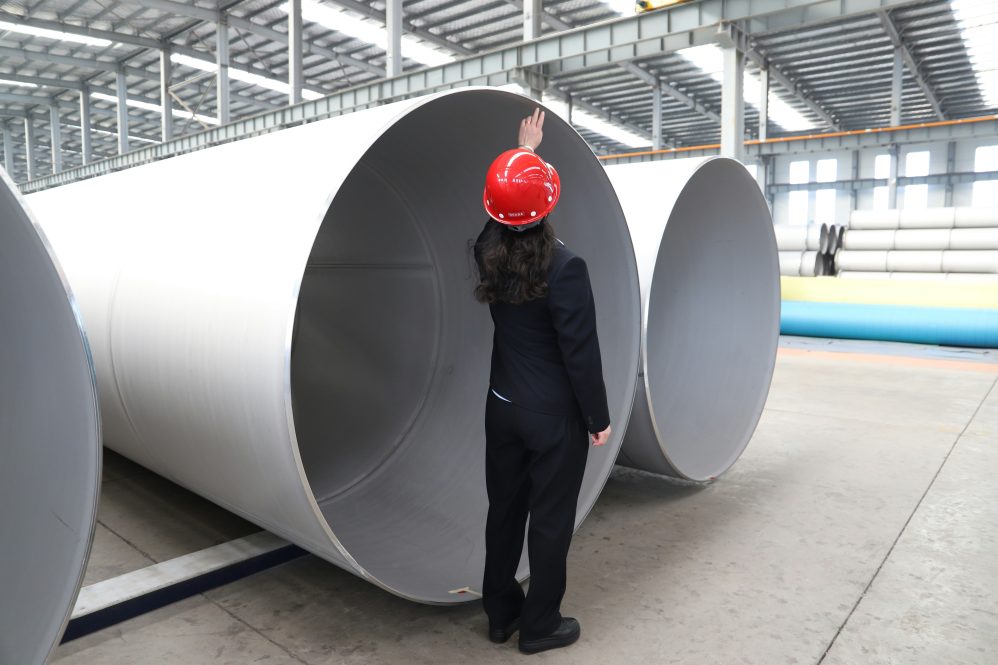
Maintaining large industrial properties is challenging. Managers would tell you it’s beyond repair and cleaning practices. From big warehouses and manufacturing plants to distribution hubs and logistics plants, these facilities require full attention. Careful planning, management, and attention to detail are factors to consider.
Strict safety regulations must follow the high demand for seamless processes. This leads to long-term success. Also, understanding the secrets behind running an efficient industrial facility helps a wide range of people, including property owners and investors.
These secrets can help drive performance and profitability in the industry.
#1 Using Preventive Maintenance Practices
A big secret is applying preventive rather than reactive methods to problems. Maintenance for industrial properties must focus on routine inspections and servicing. You detect potential problems early before they become serious.
When major failures happen, it increases expenses and downtime. Waiting for incidents leading to repairs slows down the process. On the face of it, being reactive appears cheaper. However, you’d be setting up the facility for failure.
Contrast that with preventive maintenance strategies. They help you meet steady production and compliance levels. The results include asset and financial stability.
#2 Training That Improves Workforce Performance
Teams and staff are everywhere, but small details set them apart. Updated knowledge and skills are essential for industrial property maintenance. All staff, including managers, can undergo training focused on updated technologies. This includes safety protocols, best practices, and the use of equipment.
The training programs will help staff understand the best ways to handle emergencies. This will improve the facility, add accountability, and boost work coordination.
Well-trained maintenance teams can spot issues a mile away. This guarantees quick responses and smooth daily operations. Also, this increases the lifespan of industrial facilities.
#3 Immediate Attention to Safety Standards
Maintaining large industrial properties almost always means a strict adherence to rules. In the US, there are local, state, and federal regulations. There are agencies behind OSHA, EPA, and other regulations. They help establish safety and operational standards that industrial facilities must meet.
Industrial property managers must ensure compliance with air, fire, hazard, and quality controls. Waste disposal and structural integrity are other areas staff must consider. Failure to meet required standards leads to fines, penalties, and reputational damage.
Safety training and proper documentation will contribute to regulatory compliance. This goes a long way to reduce liability risks and operational interruptions.
#4 Tech and Automation Solutions
Before now, industrial facilities struggled with many manual practices. While some facilities maintain such practices, others have adopted modern methods. Relying on technology to streamline and improve operations carries many benefits. This includes less burnout of staff.
Industrial facilities now run on advanced maintenance management software. Add smart sensors and automated machinery, and the work gets easier. Managers and teams can track equipment performance in real time. Also, there are predictive maintenance technologies that use data to forecast potential issues before they occur.
With all these capabilities, industrial facilities face less downtime and optimized resources.
Automation simplifies many processes. This helps facility managers focus on strategic planning. Tech is critical because the scope of work keeps increasing.
#5 Energy-Efficient Practices
Industrial facilities are moving towards energy efficiency. This is fast-becoming a key factor in property management. But many industries struggle to use these practices to boost their services.
Industrial facilities consume a lot of power. To run smoothly, they need electricity, fuel, and water. This makes sustainability an environmental and financial priority. Managers know the best solution is to run energy-efficient lighting and HVAC systems.
The benefits include reduced operational costs and carbon footprints. Also, some facilities use green practices to improve corporate responsibility. They go all out to support regulatory compliance.
Over time, the investments in energy lead to good financial returns. They can use these power-saving strategies to save costs.
Conclusion
These top secrets protect assets, drive performance, and improve profitability. Managers have to be strategic, proactive, adopt smart technologies, and match regulatory standards. When these factors come together, industrial facilities operate better.
Industrial property maintenance is no longer a background function. It’s a growing, competitive, and regulated environment. Often, it makes the key difference, helping facilities grow and thrive. A thriving facility enjoys reduced risk and extensive operational performance.
Top-notch maintenance for industrial properties protects valuable assets. It improves worker performance and overall productivity.