
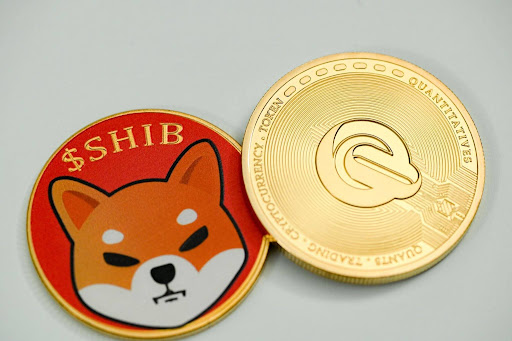
California is experiencing a gold rush right now, but not the kind you’re thinking of. Over the last few years, there’s been a distinct rise in digital asset ownership, with 43% of local remote workers turning to virtual coins over traditional fiat currency. So why is this happening, and what does it say about the broader digital economy?
The Digital Gold Rush: Possible Incentives
There are a number of possible incentives for this trend. Namely, virtual coins have seen a boom worldwide, with the cryptocurrency market shooting to approximately $2.65 trillion. California is one of the main central hubs of that market, with cities like San Francisco and Los Angeles becoming hotspots for blockchain startups and crypto innovation.
A major reason for this is California’s long-standing relationship with technology. The state is already home to Silicon Valley, of course, which is the global centre of tech entrepreneurship and venture capital.
Many of the companies and developers building blockchain platforms and decentralized finance applications are therefore based in California, which naturally creates a culture that is more open to digital currencies than many other parts of the world.
Looking at remote workers, specifically, it’s easy to be drawn to this environment. Since the shift toward flexible working, thousands of Californians have become increasingly comfortable managing their lives entirely online, where virtual currencies are common in all sorts of digital ecosystems.
In the entertainment space, for example, many traditional online gaming sites are heavily regulated in the state, which has led more people to discover sweepstakes gaming sites – platforms where virtual currencies are used to play and participate in prize-based systems.
Meanwhile, in the finance space, it’s far easier to transfer funds internationally and make decentralized online payments with virtual currencies than through traditional banking systems, which has led more Californians to experiment with crypto platforms and integrate them into their everyday online activity.
In other words, it’s a perfect storm – remote workers are spending more time online, and due to digital innovations and developments, virtual currencies are becoming more of an online norm.
What Does This Mean For the Future?
So what does this mean in the grand scheme of things? Well, for starters, it suggests that virtual currencies are gradually moving away from being viewed as purely speculative assets and are instead becoming integrated into everyday life.
Whether it’s through entertainment platforms, freelance marketplaces, digital communities, or online payment systems, virtual coins are feeling far more familiar and accessible to average internet users – and with more people becoming remote workers, users are going to be more closely entwined with the concept over the next few years.
For businesses, then, this could signal a major shift in how online services are designed. Companies targeting younger, digitally native audiences may begin integrating blockchain technology or token-based rewards, and indeed, some big brands are already doing so through NFTs or digital loyalty systems.
For consumers, this shift could be the gateway to flexibility and convenience. Life is getting quicker, we all know that, but there are still systems and structures that remain rooted in tradition – currency being one of them. When more businesses adopt the digital era, and more online platforms become decentralized, our relationship with money is going to change, leading to quicker transactions and greater digital freedom.
This is a good thing, but that’s not to say the trend won’t bring challenges. Right now, regulators are continuing to debate how digital currencies should be monitored and taxed, with concerns around scams and cybersecurity remaining significant, particularly as more casual users enter the market.
It’s now easier for any beginner to interpret crypto charts and invest, or buy tokens through mobile apps, and this poses some serious questions about consumer protection. But despite those risks, the broader direction appears clear: digital currencies are becoming hard to ignore.
Conclusion
In many ways, California’s current virtual currency boom mirrors the state’s historical identity. Just as previous generations moved west chasing opportunities during the original Gold Rush, today’s digital entrepreneurs and remote workers are embracing a new frontier – not built on physical gold, yet certainly no less valuable in the context of our future.