
The findings come as libraries continue adapting to changing public needs following the COVID-19 pandemic, shifting patterns in library use and ongoing budget and operational constraints.
The Santa Monica Public Library has released a comprehensive community report identifying key priorities — including expanded access, improved safety and stronger youth programming — that will guide the system’s next strategic plan.
The “Community Mapping Findings and Insights Report,” published this month, is based on input gathered throughout 2025 from more than 1,100 survey responses, as well as focus groups, public meetings and more than 10 outreach events across the city.
The findings come as libraries continue adapting to changing public needs following the COVID-19 pandemic, shifting patterns in library use and ongoing budget and operational constraints.
Access and hours among top concerns
Across all forms of engagement, access — particularly hours of operation — emerged as one of the most consistent concerns.
Only about 34% of survey respondents said they were satisfied with current hours, while many called for expanded evening and weekend access to better serve working adults, students and families. Participants also raised concerns about limited staffed hours at some branch locations and said self-service models are not a full substitute for in-person staff.
Cleanliness and safety closely linked
Cleanliness and safety were identified as foundational expectations rather than optional improvements.
About 71% of respondents said they feel safe in library spaces, while roughly 10% said they do not and nearly 19% expressed neutral views, often depending on time of day or location. Concerns were most frequently associated with the Main Library and focused on maintenance, lighting, restrooms and disruptive behavior.
Participants emphasized that safety is tied not only to security measures but also to comfort, predictability and well-maintained spaces.
Strong demand for youth and family services
The report highlights significant demand for expanded youth, teen and family programming.
Participants expressed concern that youth offerings have declined in recent years and called for more dedicated spaces for tweens and teens, as well as tutoring, homework help and literacy programs. There was also strong interest in social and creative programming, such as arts, gaming and cultural events.
Parents and caregivers emphasized the importance of consistent, reliable programming that supports child development and family engagement.
Cultural relevance and language access
Community members — particularly Latino families — emphasized the need for more culturally relevant programming and language accessibility.
Requests included expanded Spanish-language services, bilingual staff and collections that reflect the diversity of the community. Participants described cultural representation as essential to making library spaces welcoming and inclusive.
Technology and digital literacy needs
The report found growing demand for digital literacy and technology support across age groups.
Older adults expressed interest in beginner-level technology classes, while younger users showed interest in creative digital programs such as filmmaking and content creation. Participants also cited concerns about misinformation and a need for media literacy education.
Communication challenges and awareness gaps
While overall satisfaction with core services such as collections (about 88%) and digital resources (about 81%) was high, many respondents said they have difficulty finding clear and timely information about programs and services.
Participants called for improvements to the library’s website, event calendars, in-building signage and overall communication.
Library seen as essential community space
Across engagement efforts, participants described the library as a “third place” — a public space distinct from home, work or school — that supports learning, social connection and community engagement.
Common expectations for an “ideal library” included clean, welcoming spaces, flexible layouts, strong collections, visible staff and areas designed for different uses, from quiet study to group activities.
Differences across locations
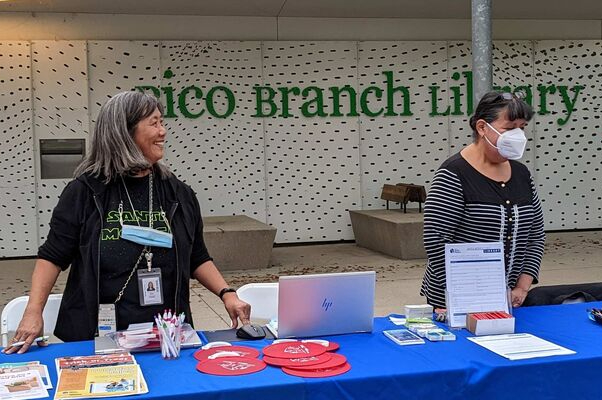
The report also identified location-specific concerns. The Main Library drew the most feedback related to safety and cleanliness, while the Pico Branch area emphasized cultural relevance and bilingual services. Other branches reflected varying preferences for quiet environments, staffing levels and programming.
Next steps and early changes
Library officials said the findings will guide decisions on programming, facilities, staffing and partnerships as part of the system’s next strategic plan.
Some changes are already underway. In January, staffed services were restored on a limited basis at the Fairview and Ocean Park branches, and new wayfinding signage was installed at the Main Library.
Library Director Erica Cuyugan said the report reflects a broad range of community perspectives and will serve as a foundation for future planning.
“The community voice is at the heart of everything we do,” Cuyugan said in a statement.
Officials said implementation of the report’s priorities will depend on available funding and staffing, with changes expected to roll out in phases.


